Department of Chemical Engineering at the University of Texas at Austin go to home page university of texas at austin college of engineering U T direct
John M White, PhD
Professor
Robert A. Welch Chair in Materials Chemistry
Director, Center for Materials Chemistry


photo of John M White
Office: WEL 3.310B Mailing Address:
Phone: (512) 471-3704
The University of Texas at Austin
Fax: (512) 471-9495 Chem & Biochem Dept
Email: jmwhite@mail.utexas.edu 1 University Station A5300
UT Mail: A5300 Austin, TX 78712-0231

Research Group Web Site

Educational Qualifications:
Ph.D., University Name, Engineering, 19xx
M.A., University Name, Engineering, 19xx
B.A., University Name, Engineering, 19xx

Affiliations:
Center for Materials Chemistry
Center for Nano- and Molecular Science and Technology
Environmental Science Institute
Science & Technology Center for Synthesis, Growth, and Analysis of Electronic Materials
Texas Materials Institute

Research:

Surface chemistry
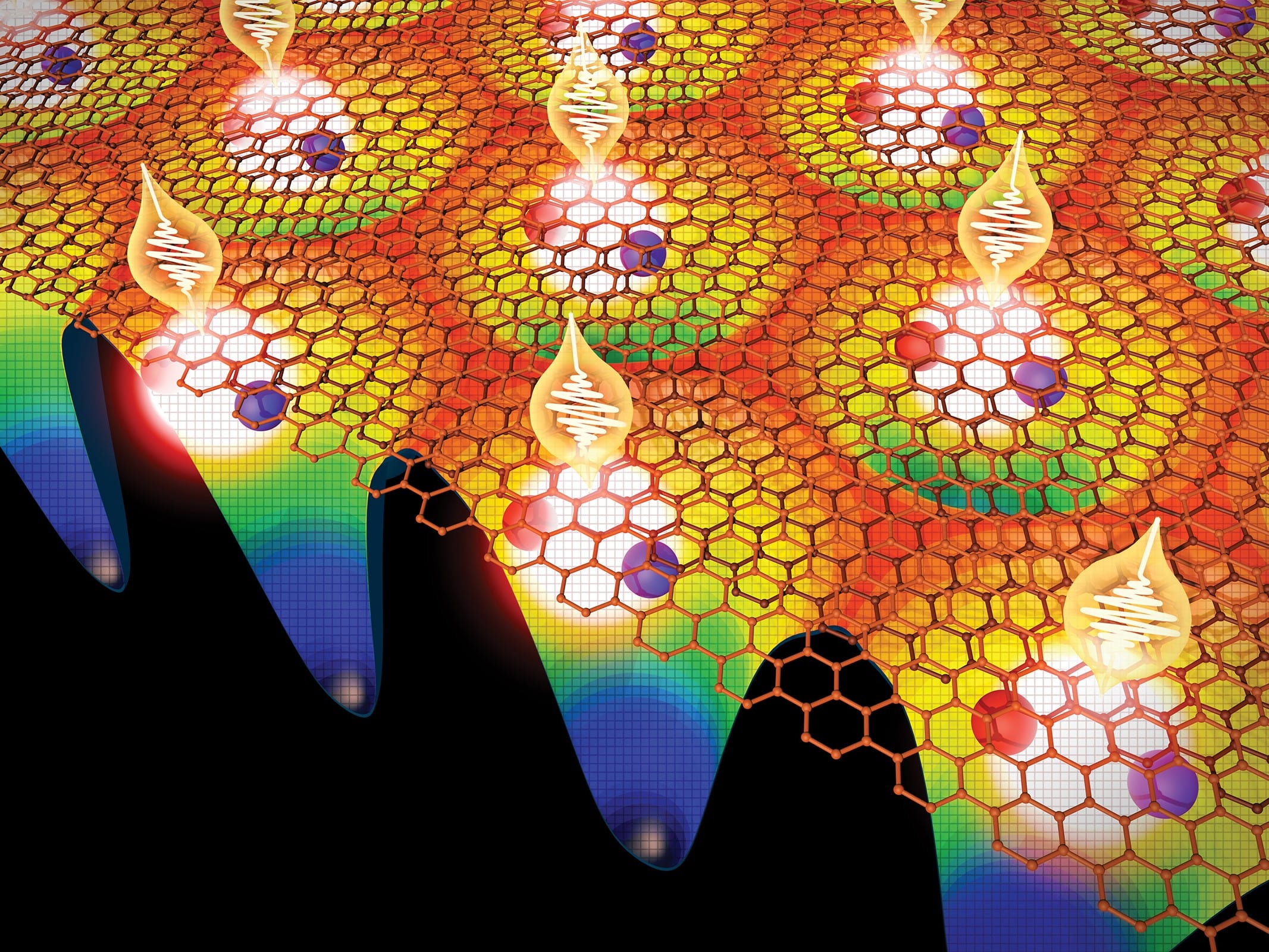
Surface chemistry is the focus of experimental work being done in my laboratory, in particular the kinetics and spectroscopy of species chemisorbed on well-characterized semiconductor, metal and insulator surfaces. Interest is focused on molecular level questions regarding the structure and reactivity of species important in chemical reactions that are important for catalysis and film growth.

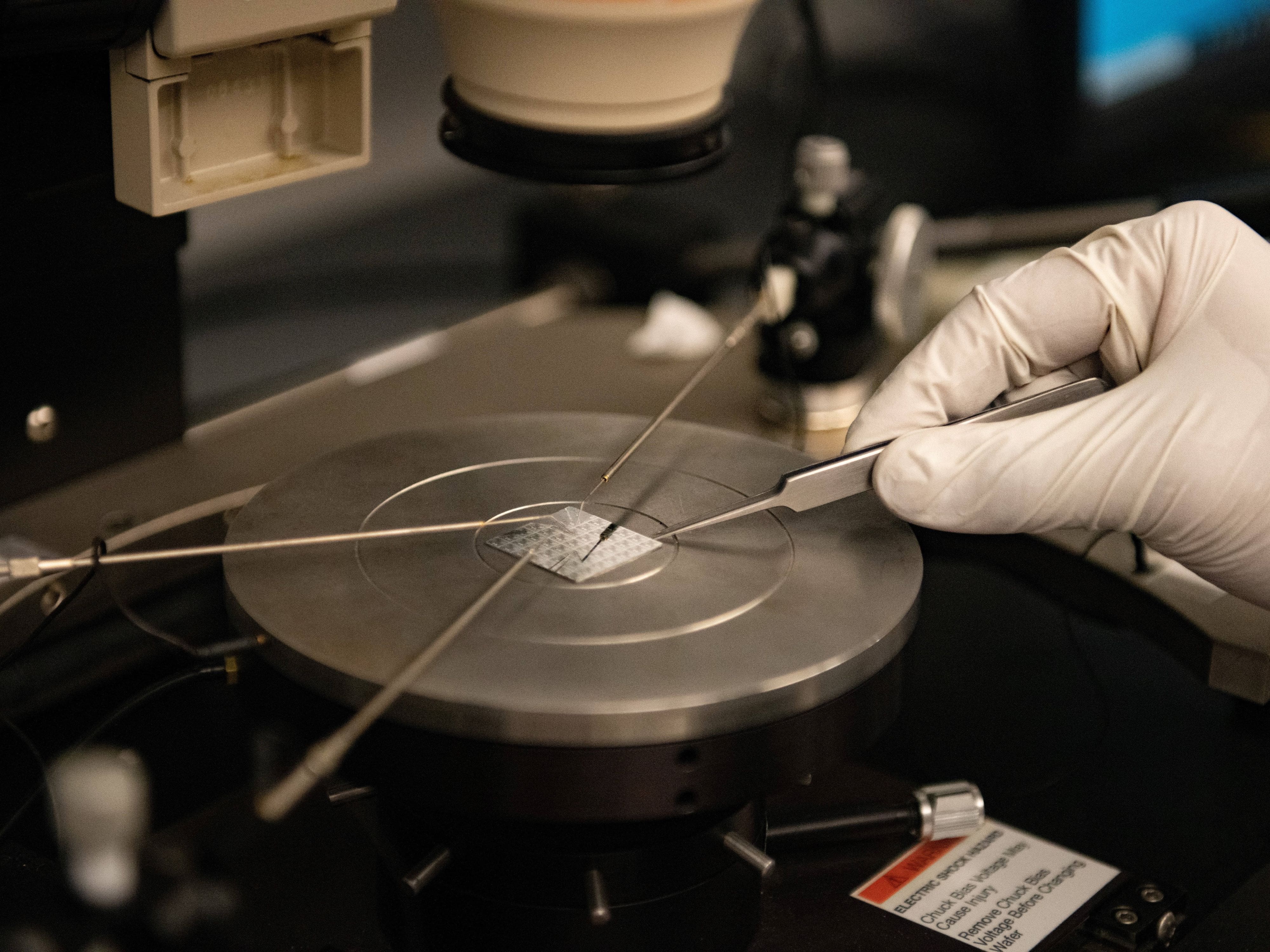
In approaching these problems, White group students use ultra-high vacuum (10-10 Torr), optical spectroscopy, scanning probe microscopy spectroscopy, mass spectrometry, environmental scanning electron microscopy and electron diffraction techniques. High resolution electron energy loss spectroscopy and IR are used to characterize the vibrational structure of chemisorbed species. Auger, X-ray and ultraviolet photoelectron spectroscopy are used to detail the kind of species present and the chemical environment. Mass spectrometry, including Fourier transform and secondary ion, are used to characterize fragments ejected from the surface by ions, electrons or photons. Photon- and electron-driven surface reactions are topics of current focus. Interfacial force microscopy is used to probe the mechanical properties of films with nanometer resolution.

We have a particular interest in the chemical dynamics and kinetics of molecules used in the growth of thin films for electronic and opto-electronic structures and devices.


< Go back